
Ear irrigation is a widely used medical procedure for removing excess ear wax from the ear canal. It involves gently flushing the ear with warm water to soften and remove built-up wax. When performed by a trained professional, ear irrigation can be an effective and safe option for treating blocked ears and related symptoms.
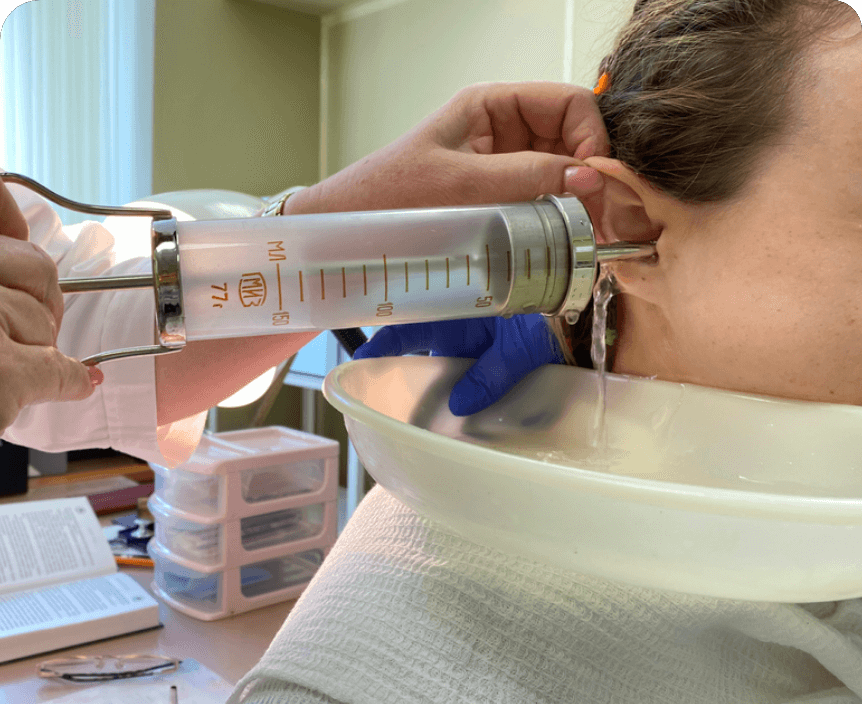
What Is Ear Irrigation?
Ear irrigation is a method of ear cleaning that uses a controlled flow of warm water or saline solution to wash out ear wax. Before the procedure, patients are often advised to use ear softening drops for a few days to help loosen the wax.
This procedure is usually carried out in clinics by healthcare professionals such as:
-
ENT specialists
-
Audiologists
-
Trained nurses or hearing care providers
When Is Ear Irrigation Recommended?
Ear irrigation may be recommended when:
-
Ear wax is soft or partially impacted
-
There is no history of eardrum damage
-
The patient has no active ear infection
-
Other methods, such as microsuction, are not suitable or available
A professional ear examination is essential before treatment.
Benefits of Ear Irrigation
-
Effective for removing softened ear wax
-
Non-surgical and relatively quick
-
Can improve hearing and comfort immediately
-
Widely available in many clinics
For suitable patients, ear irrigation remains a useful ear wax removal option.
Risks and Limitations of Ear Irrigation
Although ear irrigation can be effective, it is not suitable for everyone. Possible risks include:
-
Ear infections due to retained moisture
-
Dizziness or vertigo
-
Discomfort or ear pain
-
Damage to the ear canal or eardrum (rare but possible)
Because of these risks, many clinics now carefully assess patients before recommending ear irrigation.
Ear Irrigation vs Microsuction
| Ear Irrigation | Ear Microsuction |
|---|---|
| Uses water | No water used |
| Less precise | Performed under direct vision |
| Not suitable for damaged eardrums | Safer for more patients |
| Older method | Modern preferred method |
Is Ear Irrigation Painful?
Ear irrigation is usually not painful, though some people may feel pressure or temporary dizziness. If pain occurs, the procedure should be stopped immediately.
Who Should Avoid Ear Irrigation?
Ear irrigation is not recommended for individuals who:
-
Have a perforated eardrum
-
Have had recent ear surgery
-
Suffer from frequent ear infections
-
Experience ear discharge or severe pain
In such cases, alternative methods like microsuction are often safer.
How Long Does Ear Irrigation Take?
The procedure typically takes 20–30 minutes, including ear examination and aftercare advice. Hearing improvement is often noticeable immediately after treatment.
Aftercare Advice Following Ear Irrigation
After ear irrigation, patients are usually advised to:
-
Keep ears dry for at least 24 hours
-
Avoid inserting objects into the ears
-
Monitor for pain, discharge, or dizziness
If symptoms continue, follow-up with a healthcare professional is recommended.
Is Ear Irrigation Still Used Today?
Yes, ear irrigation is still used in certain cases, but many clinics now prefer microsuction because it offers greater precision and lower risk. The best method depends on individual ear health and professional assessment.
Final Thoughts
Ear irrigation can be an effective way to remove ear wax when performed by a trained professional on suitable patients. However, it is not appropriate for everyone. If you are experiencing blocked ears or hearing problems, consult a qualified specialist to determine the safest ear wax removal method for you.